Technical library

Visible surfaces and assembly tolerances deserve explicit purchasing requirements.

Material selection context

6063 extrusions are used for architectural shapes and window and door frames. Specify the exposed faces, surface treatment, colour expectations, protection during transport and dimensional requirements. Structural performance and weather exposure require separate assessment for the actual assembly; an alloy designation alone does not establish compliance.

Product forms to investigate

Aluminium angle Aluminium channel Custom aluminium extrusions

Selected reviewed grades

6063

Acceptance questions

Which controlled drawing and material specification govern the component? What lot traceability and inspection evidence must accompany delivery? Which dimensional or surface characteristics affect the downstream process? Record these requirements before asking a supplier to suggest a material alternative.

Prepare the specification

Build a material enquiry · Read technical data correctly

Sources and verification

Selected facts checked 14 October 2026. Source data is reference information, not certification of supplied material.

Coordinate appearance and fabrication acceptance

Anodized colour and uniformity depend on substrate and preparation. Organic coating acceptance also involves pretreatment, application and curing, with QUALICOAT distinguishing product approvals from production-site licences. Specify exposed faces, viewing conditions, panel orientation and the cutting or forming sequence. A finish name or powder brand does not establish acceptance for a completed façade component.

Source: www.anodizing.org, www.qualicoat.net

Menu
Building & architecture

Aluminium for Building & Construction

Durable, low-maintenance aluminium for façades, windows, roofing and structures. Metline Industries supplies architectural extrusions, sheet, coil and composite panel materials to builders, fabricators and façade contractors.

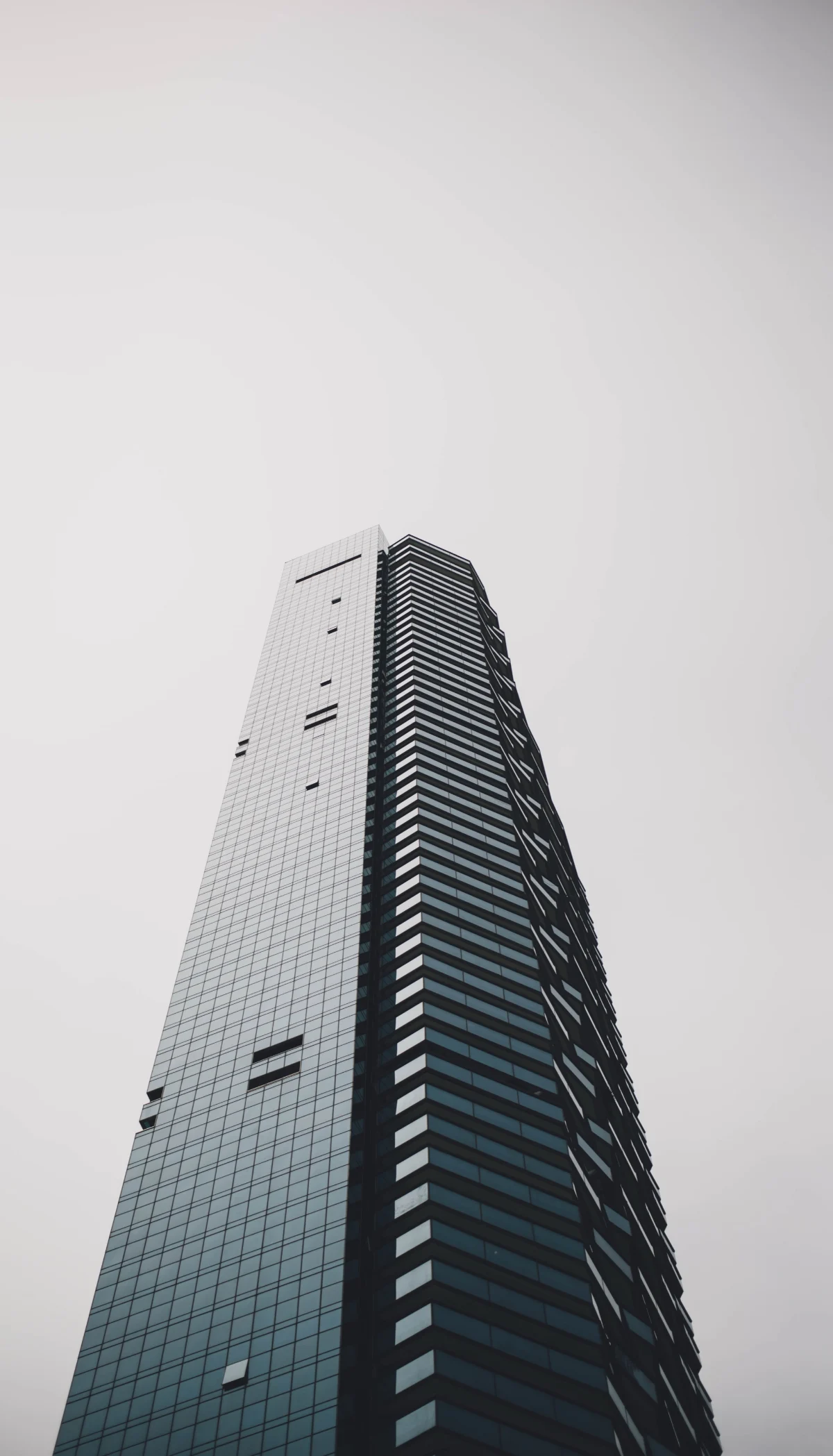
Glass-clad high-rise tower
Key alloys
6063, 6061, 3003, 3105, 5005
Forms
Extrusions, sheet, coil, plate
Finishes
Anodised, powder coated, PVDF
Benefit
Long life, low maintenance
Overview

Why architects specify aluminium

Aluminium does not rust, needs little maintenance and can be anodised or coated in almost any colour. Its light weight reduces loads on the structure, and extrusion allows complex window, door and curtain wall sections with integrated drainage and thermal breaks.

At the end of a building's life, aluminium can be recovered and recycled without loss of quality, which supports green building certification.

Applications

Where aluminium is used

Curtain walls and façades

6063 extrusions with thermal breaks and anodised or coated finishes.

Windows and doors

Casement, sliding and folding systems in 6063-T5 and T6.

Roofing and cladding

3003 and 3105 coil, plain or colour coated.

Composite panels

3003 and 5005 skins for aluminium composite panels.

Structural elements

6061 and 6082 sections for canopies, walkways and roof structures.

Louvres and sun shading

Extruded blades and frames for solar control.

Alloy selection

Recommended alloys and forms

AlloyFormWhy it is used
6063-T5 / T6ExtrusionsWindows, doors and curtain walls; excellent finish
6061-T6 / 6082-T6Extrusions, plateLoad-bearing structures and brackets
3003 / 3105Coil, sheetRoofing, rainwater goods and coated cladding
5005SheetAnodised façade panels with a uniform appearance
1100 / 3003Sheet, coilCeilings, flashing and composite panel skins
Why Metline

Supplying building & construction

Complete material packages

Plate, sheet, extrusions, tube and bar for the same project from one supplier.

Grade and temper guidance

Engineering-led advice on the alloy and temper that suit the service conditions.

Documentation

Mill test certificates and inspection paperwork to support your quality system.

Materials

Building & Construction materials

FAQ

Building & Construction questions

Which aluminium alloy is used for windows?

6063 in T5 or T6 temper is the standard window and door alloy, thanks to its excellent extrudability and finish.

Is aluminium cladding durable?

Yes. With anodising or a quality coating such as PVDF, aluminium cladding can last for decades with minimal maintenance.

Planning a building project?

Send us the profiles, sheet sizes, finishes and quantities and we will quote.