Clear (natural)
Uncoloured film that shows the texture of the metal. The most durable and most widely specified architectural finish.



Anodised aluminium coil (also called pre-anodised or coil-anodised aluminium) is rolled aluminium strip that has been anodised continuously, as a moving web, before it reaches the fabricator. It arrives with a uniform, hard oxide finish already in place, so panels, trims, reflectors and housings can be slit, stamped and formed without a separate finishing step. Metline supplies pre-anodised coil and strip in architectural, decorative and reflective grades to customers worldwide.
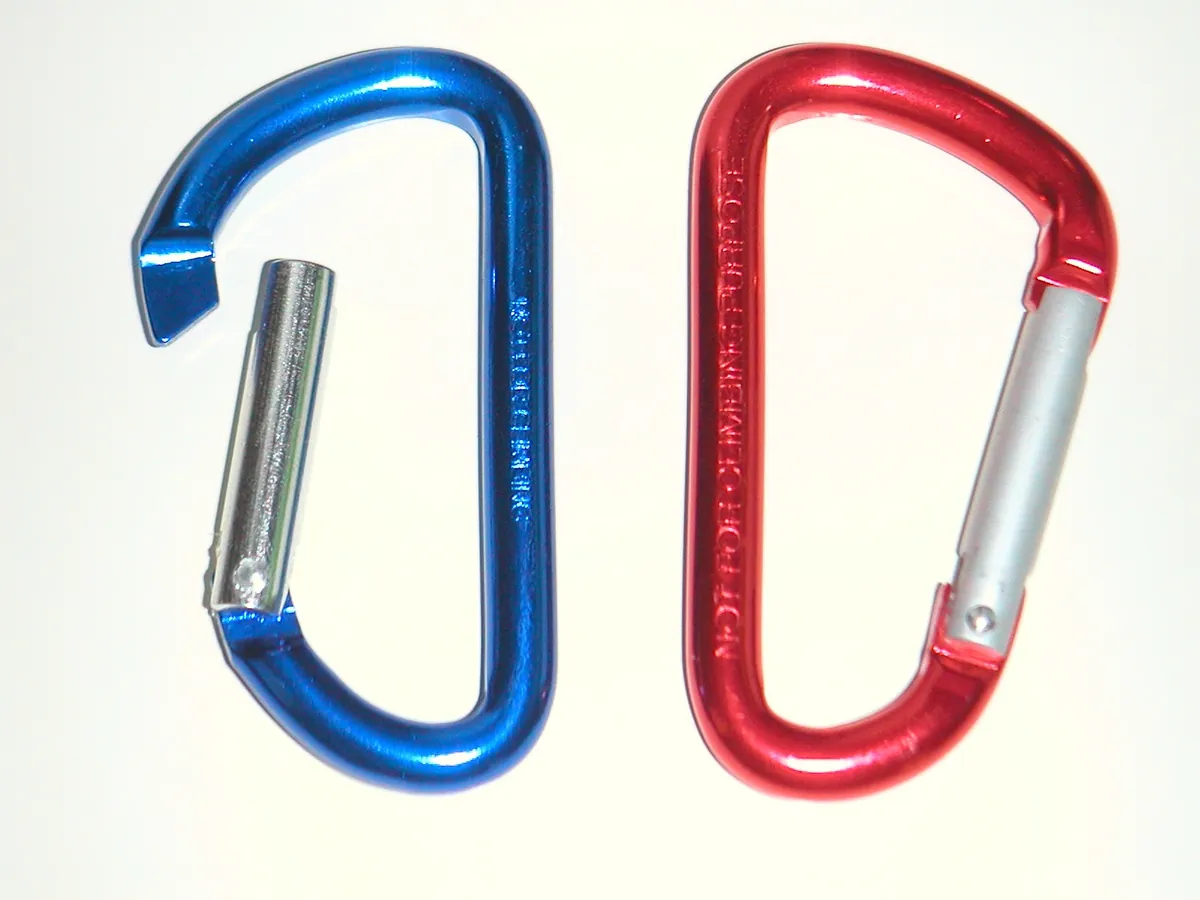
Anodising thickens the natural oxide on aluminium into a controlled, porous layer of aluminium oxide that is then sealed. Because the layer is grown from the metal itself, it cannot peel like paint. It is hard, resistant to weathering and abrasion, and keeps the metallic look of the aluminium beneath.
In batch anodising, finished parts are racked and dipped one load at a time. In coil anodising, a continuous strip runs through cleaning, etching or brightening, anodising, colouring and sealing tanks at a steady speed. The process is the same chemistry, but every metre of the coil sees identical conditions, which gives very consistent colour and film thickness across large areas and from one coil to the next.
For a fabricator, that means no racking marks, no colour mismatch between panels anodised in different loads, and no finishing bottleneck after forming. The trade-off is that the film is applied before forming, so bend radii, film thickness and alloy must be chosen together. The rest of this page explains how.
| Alloy | Anodised appearance | Strength and forming | Typical uses |
|---|---|---|---|
| 5005 (anodising quality) | Clear, even silver; good colour match to 6063 extrusions | Moderate strength, good formability | Facade and soffit panels, ceilings, column covers, building trims |
| 5657 | Very bright, clear film when brightened before anodising | Low to moderate strength | Automotive and appliance bright trim, decorative strip |
| 1050 / 1070 / 1085 | Clear and highly reflective, especially in high-purity grades | Soft, very formable | Lighting reflectors, solar and optical reflectors, nameplates, signage |
| 3003 | Slightly grey or cloudy tone; less uniform for decorative work | Good formability, a little stronger than 1xxx | Functional panels, industrial housings, insulation cladding |
| 5052 | Good clear film, faint yellow cast on thicker films | Higher strength, good fatigue | Electronics housings, equipment panels, marine trims |
Purity and iron and silicon content decide clarity. The purer the aluminium, the more transparent the anodic film and the brighter the finish, which is why high-purity 1xxx grades are used for reflectors. For architecture, an "anodising quality" 5005 with controlled chemistry is the usual choice, because it gives an even appearance and matches 6063 window and curtain-wall extrusions anodised to the same colour.
Anodised colour is alloy-sensitive. Order panels and adjoining extrusions with matched samples, and do not mix alloys on one elevation.
Uncoloured film that shows the texture of the metal. The most durable and most widely specified architectural finish.
Champagne, light to dark bronze and black produced by depositing metal salts in the pores. Very lightfast, so suitable for exteriors.
Organic dyes give gold, red, blue and other bright colours. Some dyes fade outdoors; check lightfastness before exterior use.
Mechanically brushed or chemically etched before anodising for a soft, directional or matt look that hides handling marks.
Chemically or electrochemically brightened high-purity or 5657 strip for specular trims and reflectors; reflectance depends on base metal and process.
Thin films for printing and bonding, anti-fingerprint and easy-clean top treatments for interior panels.
Exact width, thickness and film combinations depend on the alloy and finish; confirm them at enquiry stage.
| Film thickness class | Minimum average film | Typical exposure (ISO 7599 guidance) |
|---|---|---|
| AA5 | 5 µm | Interior, dry, low wear; deep forming |
| AA10 | 10 µm | Interior; light exterior use |
| AA15 | 15 µm | Normal exterior exposure |
| AA20 | 20 µm | Exterior with pollution or moderate marine exposure |
| AA25 | 25 µm | Severe exterior or marine exposure, high wear |
Anodic oxide is a ceramic. It stretches very little, so when the strip is bent the film on the outside of the bend develops fine cracks called crazing. On thin films these cracks are almost invisible and do not affect corrosion much indoors; on thick films they can be visible and open the surface to weathering. Good results come from planning the bend before choosing the film.
Pre-anodised coil can be stamped, roll-formed, perforated and embossed. It is not suitable for welding on visible faces, because welding destroys the finish locally; use mechanical fixing or adhesive bonding. The anodic layer is electrically insulating, so earthing points need the film removed locally.
| Factor | Pre-anodised coil | Batch-anodised parts | Painted / coil-coated aluminium |
|---|---|---|---|
| Colour consistency over large areas | Very high | Varies between loads | Very high |
| Appearance | Metallic, translucent | Metallic, translucent | Opaque; any colour |
| Finish on cut edges and bends | Edges bare; bends may craze | Fully covered after forming | Edges bare; coating flexible |
| Abrasion resistance | High | High | Moderate |
| UV stability | Excellent for clear and electrolytic colours | Excellent | Depends on resin (PVDF best) |
| Best for | Panels, trims, reflectors at volume | Complex formed or machined parts, extrusions | Colour-driven designs, deep forming |
Choose batch anodising when parts are deeply formed, welded or machined, or when the finish must cover every edge. Choose pre-anodised coil when you want the anodised look on large flat or moderately formed areas and need efficient, consistent supply. For an opaque colour palette, see our colour-coated coil guide.
| Property | Method or standard | Why it matters |
|---|---|---|
| Anodic film thickness | ISO 2360 (eddy current), ISO 1463 (microscopy) | Confirms the film class ordered |
| Sealing quality | ISO 2931 (admittance), ISO 3210 (acid dissolution), ISO 2143 (dye spot) | Poor sealing reduces corrosion and stain resistance |
| Corrosion resistance | ISO 9227 neutral salt spray | Comparative check of film and seal |
| Colour and gloss | Spectrophotometer ΔE against approved sample; gloss meter | Panel-to-panel match on site |
| Specification framework | ISO 7599; EN 573-3 and EN 485 for the base strip | Defines film classes and base metal |
Ask for a certificate showing alloy, temper and base-metal mechanical properties, plus the anodising report with film thickness and sealing results for each coil. For architectural projects, approve limit samples (light and dark ends of the acceptable colour range) before production.
The finish is the same chemistry. Coil is anodised continuously as a strip, giving very even colour over long lengths and suiting slitting, stamping and roll-forming lines. Sheet may be cut from anodised coil or anodised piece by piece; it suits smaller batches.
Yes, within limits. The oxide film crazes on the outside of tight bends, so use thinner films and generous radii for formed parts, and keep thick films for flat or gently curved panels.
5005 in anodising quality is the usual choice: it gives a clear, uniform finish that matches 6063 extrusions anodised in the same colour and has enough strength for panels.
AA15 for normal exterior exposure, AA20 for polluted or moderate coastal sites and AA25 for severe marine or high-wear exposure, following ISO 7599 guidance and good sealing.
Clear and electrolytically coloured (bronze, champagne, black) finishes are very lightfast. Some organic dyes fade in sunlight, so check lightfastness data before using dyed colours outdoors.
Yes. Metline supplies anodised coil and strip slit to width or cut to length, with protective film where needed, mill certificates and export packing, shipped worldwide from Mumbai.
Send the alloy, thickness, width, film class, finish and quantity. We will reply with availability, samples and a delivered price.





