High-appearance substrates
1050, 1070, 1085, 5657, 5252 and 6463: low iron and silicon for clear, bright films with minimal grain visibility. For premium electronics, bright trim, reflectors and cosmetic packaging.



An anodising project can buy aluminium in two ways: as an anodising-quality substrate that the customer or its finisher anodises after fabrication, or as pre-anodised coil and sheet with the finish already applied. This guide explains when each route makes sense, which alloys and product forms suit which industry, how colouring and sealing affect durability, and which tests prove the finish. Metline supplies both substrates and anodised forms worldwide.
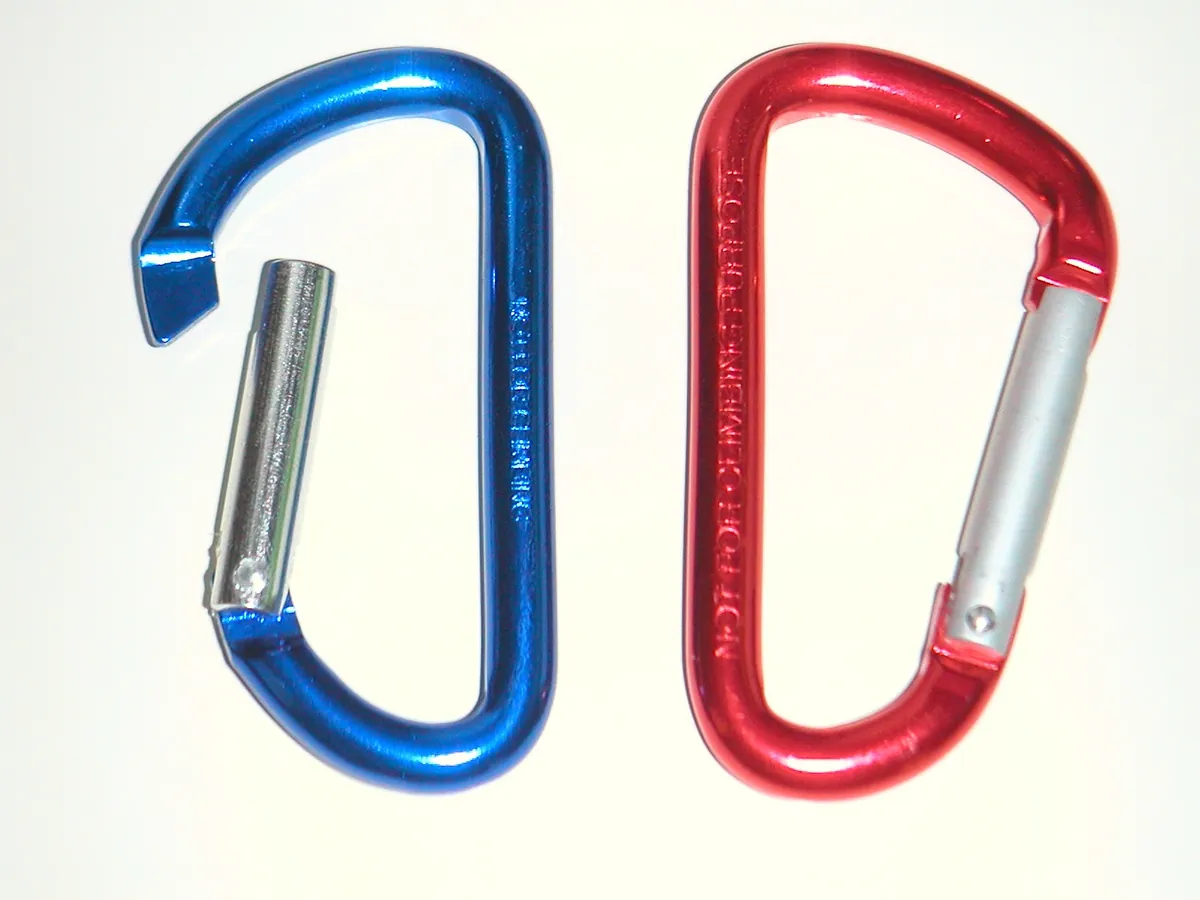
Anodising grows a hard, transparent aluminium oxide layer from the metal itself in an acid electrolyte, usually sulphuric acid. The film is porous when formed, which is what lets it take dyes or electrolytic colours, and it is then sealed to close the pores and lock in corrosion resistance. Every result, from the colour to the corrosion performance, depends on the metal underneath as much as on the process.
| Anodising-quality substrate | Pre-anodised coil / sheet | |
|---|---|---|
| What you buy | Bare sheet, coil, extrusions, tube or bar made to anodise evenly | Material already anodised, coloured and sealed, usually in coil form |
| Who anodises | Your plant or your finisher, after cutting, forming, machining or welding | The coil anodising line, before fabrication |
| Best for | Machined parts, deep-formed parts, extrusions, welded assemblies, thick films | Flat or lightly formed parts in volume: panels, trim, nameplates, reflectors, ceilings |
| Advantages | Freedom of shape and process; finish covers cut edges | Excellent batch-to-batch colour consistency; no anodising at your site; lower handling cost |
| Limits | Appearance depends on your finisher and on lot control | Cut edges are bare; bend radii are limited; thick films can craze when formed |
Many projects use both: pre-anodised sheet for large flat panels, and anodising-quality extrusions finished separately to match. The match needs planning, because a batch-anodised profile and a coil-anodised sheet are made by different processes; agree colour boundary samples that cover both before production starts.
1050, 1070, 1085, 5657, 5252 and 6463: low iron and silicon for clear, bright films with minimal grain visibility. For premium electronics, bright trim, reflectors and cosmetic packaging.
5005, 5052 and 1xxx sheet in O, H22, H24 or H32 tempers with controlled grain size, so stamped, bent and drawn parts anodise without orange peel or stretch marks.
6061, 6063, 6082 and 6013 sheet, plate and extrusions, and some 7xxx grades, for parts that must carry load or dissipate heat while still anodising well.
5005 sheet and 6060 / 6063 extrusions in anodising quality, produced to give matching colour on panels and frames.
6061 and 6082 bar and plate, plus 7075, for Type III hard anodised wear parts such as pistons, valve bodies and slides.
1xxx and 6xxx grades where an anodic film provides insulation or improves emissivity on heat sinks.
Whatever the route, order material described as anodising quality. The designation means the mill has controlled chemistry, grain structure and surface condition specifically so that the finish will be uniform; ordinary commercial-quality metal of the same alloy can look patchy after etching. For detail on alloy choice for cosmetic parts, see our guide to choosing aluminium for anodised appearance parts.
In continuous coil anodising, a coil is unwound and passed through cleaning, etching or brightening, anodising, colouring and sealing tanks at a steady speed, then rewound with protective film or interleaving. Because every metre sees the same chemistry, current density and time, colour and film thickness are far more uniform than in batch anodising, which is why coil anodised material is used for large visible surfaces.
Typical alloys are 1xxx and 5xxx grades such as 1050, 1070, 1085, 5005, 5052 and 5657. Film thickness is chosen against forming: thinner films for parts that will be roll-formed or bent, thicker films for flat architectural panels that face the weather.
Bend tests on the actual coil should confirm the minimum bend radius before parts are designed around it.
| Method | How it works | Colour range | Light and weather fastness | Typical use |
|---|---|---|---|---|
| Natural (clear) | No colourant; film left transparent | Silver, alloy-dependent | Excellent | Everything from facades to housings |
| Organic dye | Dye absorbed into the pores before sealing | Widest: blues, reds, golds, black | Varies by dye; many fade outdoors | Interior parts, consumer goods, electronics |
| Electrolytic (two-step) | Metal salts, usually tin, deposited at the base of the pores by AC current | Champagne, bronzes, black | Excellent | Architecture, exterior trim |
| Interference colouring | Modified pore structure creates colour by light interference | Blues, greens, greys, depending on process | Good | Architectural accents |
| Combination | Electrolytic base overdyed with organic dye | Extended shades | Depends on the dye | Architectural and decorative |
The rule of thumb is simple: for outdoor exposure, use natural or electrolytic colours, and treat organic dyes as interior finishes unless the dye supplier can show lightfastness test data for that shade. Black is the exception that needs care: dyed black can turn purple or brown in sunlight, while electrolytic black is stable.
Sealing hydrates the oxide so the pores close up. An unsealed or poorly sealed film stains easily, loses dye and corrodes. The main methods are hot sealing in near-boiling deionised water or steam, mid-temperature sealing with nickel or nickel-free additives, and cold sealing with nickel fluoride followed by ageing or a warm rinse. Sealing quality is checked by acid dissolution (mass loss), admittance and dye-spot tests.
| Film class (ISO 7599 / Qualanod style) | Minimum average thickness | Typical use |
|---|---|---|
| Class 5 | 5 µm | Indoor decorative parts, mild conditions |
| Class 10 | 10 µm | Indoor parts with handling and cleaning |
| Class 15 | 15 µm | Exterior use in normal atmospheres |
| Class 20 | 20 µm | Exterior architecture, urban and industrial |
| Class 25 | 25 µm | Severe environments: marine, high pollution, low maintenance |
Class numbers equal the minimum average film thickness in micrometres. AAMA 611 in North America uses Class I (18 µm and above) and Class II (10 – 18 µm) for architectural work. Type III hard anodising is specified separately, usually 25 µm and above.
| Industry | Typical parts | Material route | Finish route |
|---|---|---|---|
| Consumer electronics | Laptop and tablet housings, speaker shells, mid-frames, keyboard plates | 5052, 5252, 6061, 6063, 6013 sheet and extrusions; some 7xxx | Bead-blast + natural, grey or dyed black; bright anodising on 5252 |
| Architecture | Facade cassettes, column covers, ceilings, entrances | 5005 sheet or pre-anodised coil with 6060 / 6063 extrusions | Natural or electrolytic colours, class 20 – 25 outside |
| Automotive trim | Window and door trim, emblems, interior panels, vent surrounds | 1070, 1085, 5005, 5052, 5657, 6463 | Specular, semi-specular or satin, bright anodised |
| Lighting | Reflectors, luminaire bodies, louvres | 1085 – 1199 high-purity sheet, 5657 | Brightened and thin-film anodised for reflectance |
| Industrial and machinery | Pneumatic cylinders, slides, rollers, fixtures | 6061, 6082 and 7075 bar, tube and plate | Type III hard anodising |
| Healthcare and public spaces | Door panels, handrails, partitions, equipment covers | 5xxx and 6xxx sheet and extrusions | Anodised, with antimicrobial treatment where required |
| Packaging and cosmetics | Lipstick cases, caps, collars, nameplates | 1050 and 1070 slugs and sheet, bright 5xxx sheet | Polished or bright-dipped, dyed colours |
Phosphoric acid or thin sulphuric films are used as a pre-treatment for adhesive bonding, lamination and printing, because the porous oxide gives the adhesive a mechanical key and resists moisture at the interface. Used for nameplates, aerospace bonding and composite panels.
Anodised films loaded with silver-ion or similar agents in the pores to reduce bacterial survival on touch surfaces. Performance should be demonstrated against a recognised test such as ISO 22196, on the actual finish.
Hydrophobic or self-cleaning top treatments on sealed films reduce dirt pick-up on facades and visible panels; durability depends on exposure and cleaning practice.
An anodic film is a good insulator; thick or hard films are used for insulated heat sinks and electrical components.
Type III films provide surface hardness and abrasion resistance far above bare aluminium, for sliding and wear parts.
Black or dark anodising raises infrared emissivity, improving radiative cooling on heat sinks and space hardware.
| Property | Common test method | What it proves |
|---|---|---|
| Film thickness | Eddy-current measurement (ISO 2360) or microsection | Meets the specified class |
| Sealing quality | Acid dissolution mass loss (ISO 3210), admittance (ISO 2931), dye spot (ISO 2143) | Pores are properly closed |
| Corrosion resistance | Neutral or acetic acid salt spray (ISO 9227) | Resistance to corrosive exposure |
| Abrasion resistance | Abrasive wheel or jet tests (ISO 8251) | Wear performance, important for hardcoat and touch surfaces |
| Lightfastness | Accelerated light exposure (ISO 2135) | Colour stability for dyed finishes |
| Colour and gloss | Visual comparison with boundary samples; spectrophotometer and gloss meter | Batch consistency |
For substrates, the verification starts earlier: chemistry by optical emission spectrometry, mechanical properties, grain size checks and surface inspection, reported on an EN 10204 3.1 mill test certificate. Metline supplies this certificate with every lot, and third-party inspection can be arranged on request.
Buy pre-anodised material for flat or lightly formed parts in volume where colour consistency matters and bare cut edges are acceptable. Anodise after fabrication for machined, deep-drawn or welded parts, thick films, and anywhere the edges must be protected.
It is a mill grade of sheet or extrusion produced with controlled chemistry, grain structure and surface condition so that it anodises uniformly. The alloy designation is the same as commercial material, but the processing and inspection are tighter.
For exterior architecture, at least 15 µm in mild conditions and typically 20 – 25 µm in urban, industrial or coastal environments, following ISO 7599 or Qualanod classes. AAMA 611 Class I requires 18 µm or more.
Many organic dyes fade in sunlight. For outdoor parts use natural or electrolytic (tin-based) colours, which are very lightfast, or a dye with proven lightfastness data for that shade.
Yes, within limits. Thin films on soft-temper 1xxx or 5xxx sheet tolerate bending; thick architectural films can craze on tight radii. Run a bend test on the actual material and design to the minimum radius it passes.
Sheet, coil, plate, extrusions, tube, wire and bar as anodising-quality substrates, and pre-anodised sheet and coil, with mill test certificates and export packing, shipped worldwide.
Tell us the part, the finish, the environment and the quantity. We will recommend a route and quote material with certificates.





