Clear / natural
Silver metallic tone. The most fade-proof option because no dye is involved; the standard for architectural work.



Anodized aluminium sheet is rolled sheet whose surface has been converted electrochemically into a hard, transparent layer of aluminium oxide, which can be left clear or dyed. The finish is part of the metal, so it cannot peel like paint. This guide explains which alloys give the best anodised result, how coating thickness and sealing decide durability, and how to specify sheet for signage, cladding, nameplates and enclosures.
Anodising is an electrolytic process. The sheet is made the anode in a cooled sulphuric acid bath, and the current grows a layer of aluminium oxide (Al2O3) from the metal itself. Roughly two thirds of the coating forms inward, into the original surface, and one third builds outward, so the layer is anchored to the substrate rather than sitting on top of it.
A freshly formed sulphuric anodic film is made of millions of microscopic hexagonal cells, each with a central pore. Those pores are what make colouring possible: organic dyes, or metal salts deposited electrolytically, enter the pores and are then locked in by sealing. Sealing, usually in hot deionised water or a nickel-acetate or cold-seal bath, hydrates the oxide so the pores close. An unsealed film is absorbent and stains easily; a properly sealed film is hard, inert and weather resistant.
Anodised sheet reaches buyers in two ways. Pre-anodised (continuously anodised) sheet is cut from coil that was anodised on a continuous line, which gives very consistent colour from sheet to sheet and is the economic route for signage, nameplates, reflectors and appliance trim. Batch-anodised sheet is anodised as flat sheets or as finished parts in a tank; it allows thicker architectural coatings and the full colour range, and is normal when parts are cut, bent or welded before finishing.
Anodising reveals everything in the metal. Alloying elements and intermetallic particles that do not oxidise like pure aluminium change the colour, clarity and uniformity of the film. That is why the alloy matters more for an anodised part than for almost any other finish.
| Alloy | Anodised appearance | Strength (typical tempers) | Typical anodised uses |
|---|---|---|---|
| 1050 / 1060 / 1100 | Very clear, bright; takes dyes vividly | Low (O, H14, H24) | Nameplates, labels, reflectors, photo-sensitive plate |
| 3003 | Slightly grey or cloudy because of manganese; less suited to clear finishes | Low–moderate (H14, H24) | Interior panels and trim where a grey tone is acceptable |
| 5005 (anodising quality) | Clear and uniform; the reference alloy for architectural sheet | Moderate (H14, H34) | Cladding, soffits, signage, panels matched to 6063 extrusions |
| 5052 | Good, with a faint yellow tint in clear; dyes well in dark shades | Medium–high (H32, H34) | Enclosures, marine interiors, equipment fronts |
| 6061 | Good; can show slight mottling in clear; excellent for hard anodising | High (T6) | Machined panels, structural covers, hard-anodised plates |
| 6063 | Very good, matches architectural extrusions | Moderate (T5, T6) | Mostly an extrusion alloy; rolled sheet is uncommon and normally made to order |
| 2xxx / 7xxx | Poor to fair for decorative work (copper and zinc darken the film) | Very high | Hard or protective anodising on aerospace parts |
For any job where adjacent panels must look identical, specify 5005 in anodising quality (AQ). AQ material is produced with tighter control of iron, silicon and magnesium, and with surface preparation that avoids streaks and banding, so that it anodises without visible grain or rolling lines. Standard 5005 may look fine bare but streak once anodised. Where colour must match 6063 window or curtain-wall extrusions, 5005 AQ is the usual partner because its anodised tone is close to 6063.
For sheet that will be dyed black or a strong colour, 1xxx alloys give the most saturated result. For strength plus a good finish, 5052 is the practical compromise, and 6061 is chosen when the part is machined or hard anodised. More detail on matching alloys to cosmetic parts is in our alloy selection guide for anodised appearance parts.
Coating thickness is the single biggest driver of how long an anodised finish lasts outdoors. Specifications express it in micrometres (µm) or mils (1 mil = 25.4 µm). The common classification systems are below.
| Standard / class | Minimum thickness | Typical use |
|---|---|---|
| ISO 7599 / EN ISO 7599 AA5 | 5 µm | Interior decorative, bright trim, pre-anodised coil |
| AA10 | 10 µm | Interior; mild exterior with regular cleaning |
| AA15 / AA20 | 15 / 20 µm | Exterior in rural and urban atmospheres |
| AA25 | 25 µm | Exterior in severe, industrial or coastal atmospheres |
| AAMA 611 Architectural Class II | 10 µm (0.4 mil) | Interior or lightly exposed, maintained exterior |
| AAMA 611 Architectural Class I | 18 µm (0.7 mil) | Exterior building components and curtain-wall panels |
| MIL-A-8625 Type II | Typically 2.5 – 25 µm | Decorative and protective sulphuric anodising |
| MIL-A-8625 Type III (hard) | Typically 25 – 100 µm | Wear surfaces; usually dark grey to bronze in colour |
ISO 7599 class numbers state the minimum average thickness; the standard also sets a lower minimum local thickness. Check the edition your project specifies.
Pre-anodised sheet from continuous lines is typically produced at the thin end of the range (around 3 – 10 µm), which is ideal for nameplates, printing and indoor trim but not for exposed facades. Architectural cladding sheet is normally anodised to 20 – 25 µm, either as flat sheet or after fabrication. If a sheet will be formed after anodising, a thinner coating crazes less; if it will be exposed outdoors, a thicker one is needed, so the order of operations should be decided at the design stage.
The texture is created mechanically or chemically before anodising; the anodic film then reproduces it. That is why a brushed or bead-blasted finish looks deeper after anodising than it does bare.
Silver metallic tone. The most fade-proof option because no dye is involved; the standard for architectural work.
Caustic etching before anodising removes rolling lines and gives a soft, low-gloss sheen. Hides minor surface marks.
Linear grain from abrasive belts. Common for appliance fronts, lift interiors and equipment panels. Specify grain direction on drawings.
Chemically or electrolytically brightened high-purity sheet. Used for reflectors, luminaires and decorative trim; total reflectance depends on purity and process.
Fine glass-bead or sand blasting before anodising for a uniform, non-glare surface used on electronics housings.
Stucco, diamond or other patterns rolled in before finishing; adds stiffness and hides handling marks.
Colour is added in three main ways, and the method matters for outdoor use:
| Colouring method | Colours | Light fastness | Notes |
|---|---|---|---|
| Electrolytic (two-step) colouring | Champagne, light to dark bronze, black | Excellent outdoors | Tin or other metal salts deposited at the pore base; the architectural standard |
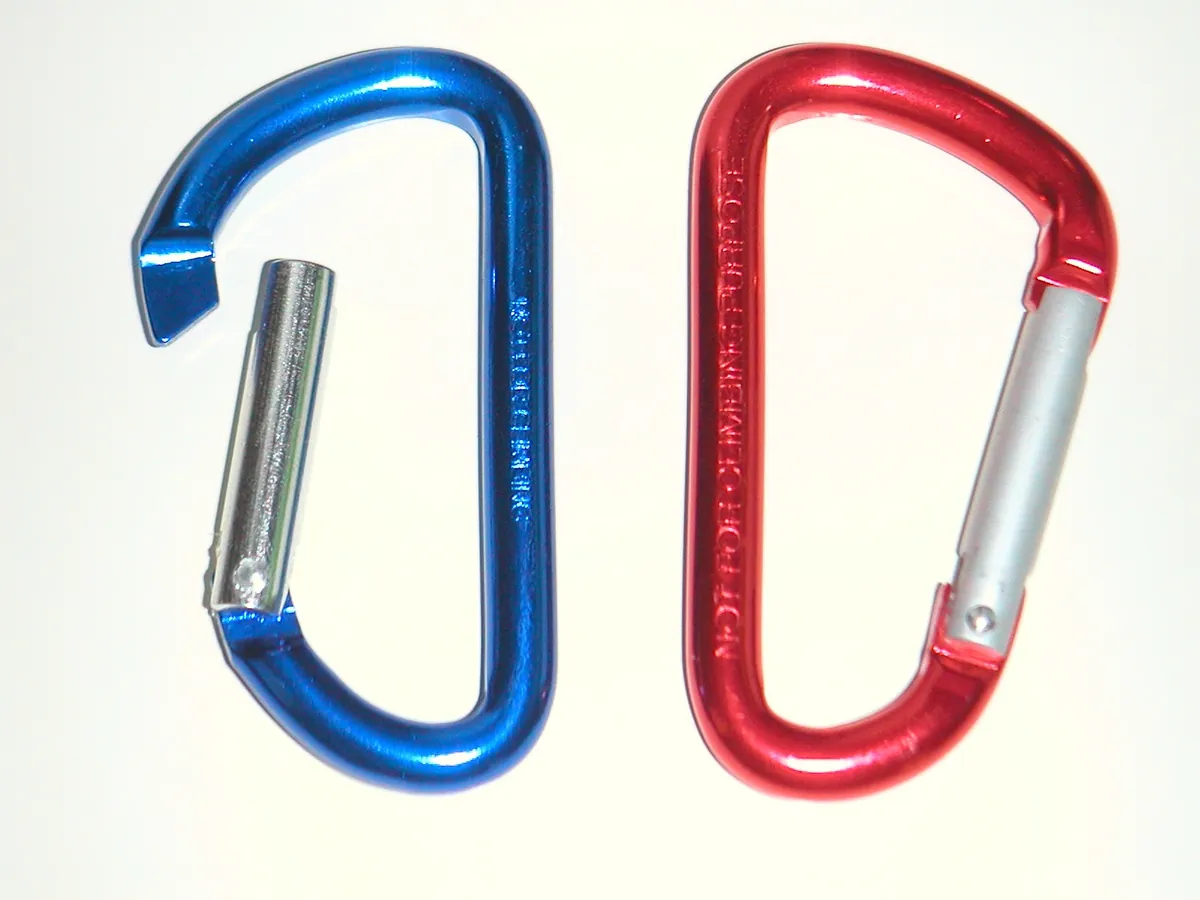
| Organic dye (adsorptive) | Black, gold, red, blue, green, purple and more | Varies by dye; many fade in UV | Vivid colours for indoor products, signage and consumer goods |
| Inorganic dye | Gold, bronze shades | Good | Limited palette; used where a gold tone must last outdoors |
| Interference colouring | Blue, green, grey-blue tones | Excellent | Specialist process; limited suppliers |
Exact colour matching between lots is the main commercial risk with anodised sheet. Agree on physical limit samples (light and dark acceptable extremes) rather than a single reference, and order replacement panels from the same production lot whenever possible.
Sheet weight depends only on thickness and density. The table uses 2.70 g/cm³, which is accurate for 1xxx and 5005; 5052 is about 1 % lighter. Gauge numbers follow the Brown & Sharpe convention commonly used for aluminium sheet in North America.
| Thickness (in, gauge) | mm | kg per m² | 4 × 8 ft sheet (kg) | 4 × 10 ft sheet (kg) |
|---|---|---|---|---|
| 0.020" (24 ga) | 0.51 | 1.37 | 4.1 | 5.1 |
| 0.032" (20 ga) | 0.81 | 2.19 | 6.5 | 8.2 |
| 0.040" (18 ga) | 1.02 | 2.74 | 8.2 | 10.2 |
| 0.050" (16 ga) | 1.27 | 3.43 | 10.2 | 12.7 |
| 0.063" (14 ga) | 1.60 | 4.32 | 12.8 | 16.1 |
| 0.080" (12 ga) | 2.03 | 5.49 | 16.3 | 20.4 |
| 0.090" (11 ga) | 2.29 | 6.17 | 18.3 | 22.9 |
| 0.125" (8 ga) | 3.17 | 8.57 | 25.5 | 31.9 |
| 0.160" (6 ga) | 4.06 | 10.97 | 32.6 | 40.8 |
| 0.190" (4 ga) | 4.83 | 13.03 | 38.7 | 48.4 |
The oxide is hard but brittle. Bend with generous radii (at least 1 – 2 × thickness for thin pre-anodised sheet, more for thick coatings), keep the coated face on the inside where possible and bend across the grain. Hairline crazing on the outside of a bend is normal for thick films.
Shearing and punching expose bare edges. These are normally acceptable indoors; for exterior parts, cut first and anodise after. Laser and waterjet cutting work, but leave edges unprotected.
CNC engraving through the dyed layer produces bright metal lettering. Black or dark anodised sheet gives the highest contrast for laser marking of serial numbers, logos and QR codes.
Anodic films are electrical insulators, so welding and electrical earthing need bare metal. Mechanical fixing, adhesives and riveting are usual for finished sheet.
Screen and digital printing into unsealed film, followed by sealing, locks the image under the oxide and is used for durable nameplates.
Wash with water and neutral detergent. Avoid alkaline or strongly acidic cleaners and abrasive pads, which attack the film.
A useful rule: if the part needs significant forming, welding or edge protection, fabricate in bare sheet and have the finished parts anodised. If the part is flat or lightly bent and appearance consistency matters most, buy pre-anodised sheet and cut it.
Metline supplies anodised and anodising-quality sheet to fabricators and manufacturers; parts such as panels, signs or housings are made by the customer or their fabricator, and we can cut blanks to size before dispatch.
5005 in anodising quality is the standard for clear and bronze architectural finishes because it anodises uniformly and matches 6063 extrusions. 1050 and 1100 give the brightest dyed colours, 5052 adds strength, and 6061 is preferred for machined or hard-anodised parts.
A sealed anodic film is part of the metal and does not peel. Clear and electrolytically coloured finishes are highly light-fast; some organic dyes, especially reds, blues and purples, can fade in strong outdoor sunlight. Coating thickness of 20 – 25 µm is recommended for exposed exterior use.
Yes, with care. Use generous bend radii, bend across the rolling direction and expect fine crazing on the outside of the bend with thick coatings. Thin pre-anodised sheet in 1xxx or 5005 bends best; for tight bends, fabricate first and anodise afterwards.
Yes. Laser or rotary engraving removes the dyed oxide and exposes bright metal, giving high-contrast permanent marks. Black and dark colours give the strongest contrast for serial numbers, barcodes and QR codes.
Type II is conventional sulphuric anodising, typically up to about 25 µm, used for decorative and protective finishes in a wide colour range. Type III hard anodising runs at low temperature and high current density to build thicker, harder films for wear resistance; colours are limited to the natural grey-bronze tones or black.
Yes. Metline supplies anodised and anodising-quality sheet worldwide from Mumbai, with protective film, export packing and mill certificates, on EXW, FOB, CIF or DAP terms.
Send the alloy, finish, colour, coating class, size and quantity. We will reply with availability, samples and a delivered price.





