Type II decorative
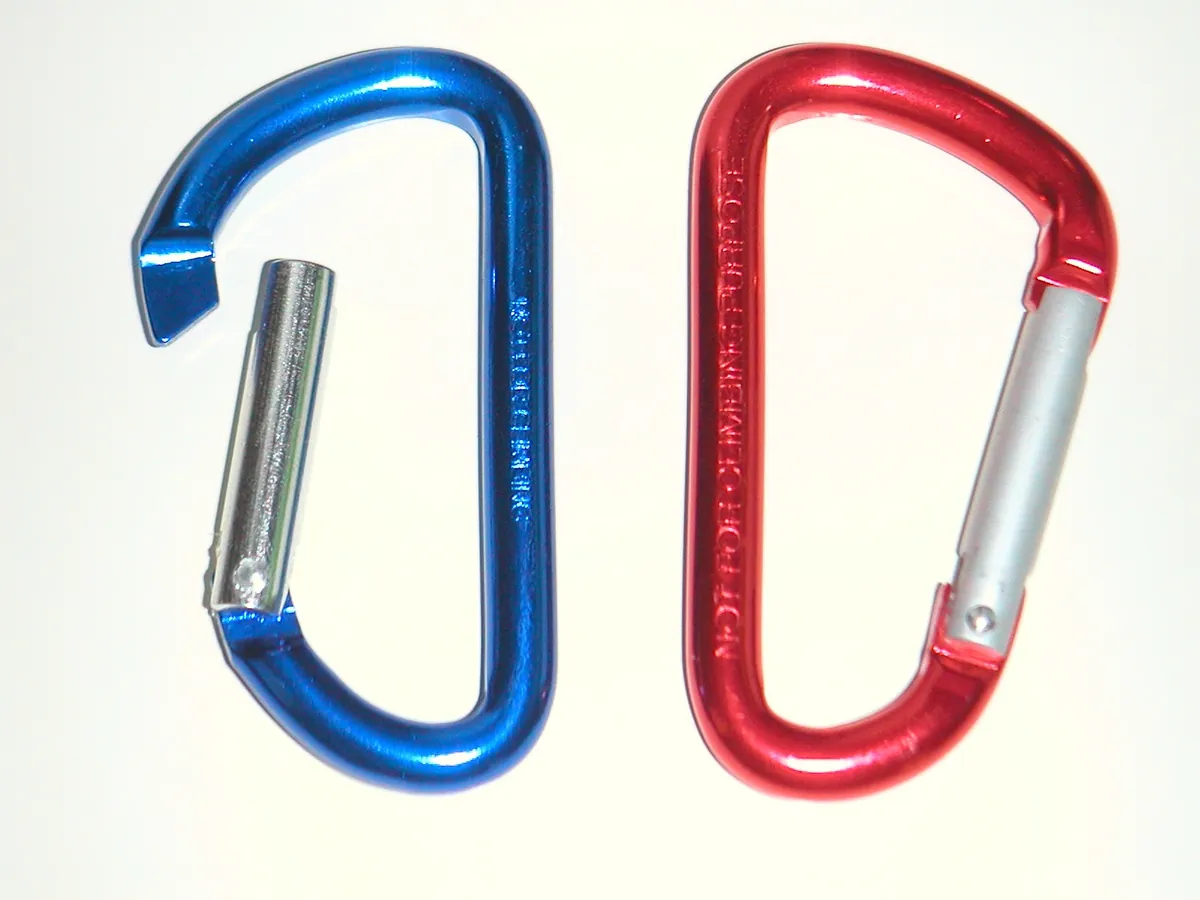
Sulphuric anodising, usually 5 – 15 µm for indoor tube and furniture. Takes dyes for black, gold, red, blue and other colours.



Anodized aluminium tubing is extruded or drawn tube with an electrochemically grown oxide layer that adds corrosion and wear resistance and can be coloured clear, black, bronze, gold or bright shades. 6063 gives the best cosmetic finish, 6061 adds strength, and 7075 serves high-load sports and aerospace parts. This guide covers alloy choice, coating types, sizes and the practical points that decide whether a tube looks right after finishing.
Anodised tube starts as ordinary extruded or cold-drawn aluminium tube. It is cleaned, etched or brightened, made the anode in a sulphuric acid bath to grow a porous oxide film, optionally coloured, and sealed. The oxide is converted from the tube wall itself, so it does not chip or peel the way paint or powder coat can on a tube that is knocked or flexed in service.
Tube is a slightly harder shape to anodise well than flat sheet. The outside surface is fully exposed to the electrolyte and current, but the bore is shielded: the further the solution is from the tube ends, the less current reaches it. In long, small-diameter tubes the inside film is therefore thinner than the outside, and sometimes only partly formed. Where a uniform internal coating matters, for example for fluid contact or internal wear, the anodiser can use internal cathodes or a pumped electrolyte, and the drawing should state the minimum film required inside.
Tubes are hung on racks during anodising and each contact point leaves a small bare mark. Good practice is to place contacts at the ends or in areas that will be cut off or hidden in assembly. When ordering tube that will be cut into short pieces after anodising, remember that every cut exposes bare metal at the ends.
| Alloy and temper | Typical tensile / yield (MPa) | Anodised appearance | Typical uses |
|---|---|---|---|
| 6063-T5 | 186 / 145 | Excellent: smooth, bright, uniform colour | Architectural tube, handrails, furniture, display systems |
| 6063-T6 / T832 (drawn) | 241 / 214 (T6) | Excellent | Frames, curtain rods, lighting, instrument tube |
| 6061-T6 | 310 / 276 | Good; slightly less bright, can show faint mottling in clear | Structural frames, bicycle and fitness equipment, machine guarding |
| 7075-T6 / T73 | 572 / 503 (T6) | Fair for decorative work; good in black and hard anodising | Tent and trekking poles, arrow shafts, aerospace and racing parts |
| 5052-H32 | 228 / 193 | Good, slight yellow cast in clear | Marine fittings and bent tube where formability matters |
| 3003-H14 | 152 / 145 | Grey tone; not used for bright finishes | Lightly loaded formed tube where colour is not critical |
Typical values from ASM / Aluminum Association data. Specified minimums in ASTM B221 and B210 are lower and depend on product form and wall thickness; design to the minimums shown on the mill certificate.
6063 is the default for anything visible. Its lean chemistry and fine grain give a smooth, bright surface and even dye uptake, which is why most anodised furniture, shopfitting and architectural tube is 6063. 6061 is chosen when the tube carries real load, at the cost of a slightly less lustrous clear finish. 7075 is reserved for parts where strength-to-weight is the whole point; it anodises acceptably in black and in hard coat but gives a darker, less clean clear finish because of its zinc and copper content.
Sulphuric anodising, usually 5 – 15 µm for indoor tube and furniture. Takes dyes for black, gold, red, blue and other colours.
18 – 25 µm films for handrails, balustrades and exterior tube. Clear or electrolytically coloured champagne and bronze give the best outdoor colour stability.
Low-temperature, high-current process giving films of about 25 – 100 µm. Very wear resistant; natural colour is grey to bronze, or dyed black. Used on pistons, guide tubes and rollers.
Thin, ductile films with good fatigue behaviour, used on some aerospace parts. Being phased down because of hexavalent chromium; thin-film sulphuric or tartaric-sulphuric processes replace it.
Chemical brightening before a thin film for a near-chrome look on 6063 trim and decorative tube.
Hot-water, mid-temperature or cold seal closes the pores for corrosion resistance and dye retention. Unsealed films stain and fade.
For tube that will be bent after finishing, keep the film thin (around 5 – 10 µm) and use generous bend radii; thick and hard films crack on the outside of a bend. For tube that will be welded, anodise after welding, because the oxide insulates and contaminates the weld.
Weights below are calculated from geometry at 2.70 g/cm³ and apply to 6061 and 6063. A 20 ft length is 6.096 m.
| OD × wall (in) | OD × wall (mm) | ID (mm) | kg per metre | kg per 20 ft |
|---|---|---|---|---|
| 0.5" × 0.035" | 12.7 × 0.89 | 10.9 | 0.089 | 0.54 |
| 0.75" × 0.049" | 19.0 × 1.24 | 16.6 | 0.188 | 1.15 |
| 1" × 0.065" | 25.4 × 1.65 | 22.1 | 0.333 | 2.03 |
| 1.25" × 0.083" | 31.8 × 2.11 | 27.5 | 0.530 | 3.23 |
| 1.5" × 0.095" | 38.1 × 2.41 | 33.3 | 0.730 | 4.45 |
| 2" × 0.120" | 50.8 × 3.05 | 44.7 | 1.235 | 7.53 |
| 2.5" × 0.125" | 63.5 × 3.17 | 57.1 | 1.625 | 9.90 |
| 3" × 0.125" | 76.2 × 3.17 | 69.8 | 1.967 | 11.99 |
| 4" × 0.250" | 101.6 × 6.35 | 88.9 | 5.130 | 31.27 |
| 5" × 0.250" | 127.0 × 6.35 | 114.3 | 6.499 | 39.61 |
| 6" × 0.250" | 152.4 × 6.35 | 139.7 | 7.867 | 47.95 |
| 8" × 0.500" | 203.2 × 12.70 | 177.8 | 20.522 | 125.10 |
Metline supplies the anodised tube or anodising-quality bare tube; frames, rails and assemblies are fabricated by the customer. Tube can be cut to length before dispatch.
6063 gives the brighter, more uniform anodised finish and is the choice for visible tube. 6061-T6 is about 30 % stronger and is used where the tube carries load, accepting a slightly less lustrous clear finish.
Partly. The electrolyte reaches the bore, but current density falls away from the ends, so inside films are thinner, especially in long, small-diameter tube. If the bore needs a specified coating, say so on the order so the anodiser can use internal cathodes.
Thin decorative films on 6063 tolerate moderate bends with generous radii. Thick architectural and hard-anodised films crack on the outside of the bend, so bend first and anodise afterwards for tight radii.
Organic black dyes are reasonably light-fast, but for long outdoor exposure an electrolytic black or dark bronze, sealed properly and at 20 µm or more, keeps its colour far better.
The oxide must be removed at the joint before welding, and the heat will discolour the surrounding finish. Weld bare tube and anodise the finished assembly when appearance matters.
Standard lengths are 6 m or 20 ft. Longer lengths depend on the anodising tank available for the order, so confirm the length you need at enquiry.
Send the shape, size, alloy, length, colour, coating class and quantity. We will confirm availability and a delivered price.





