


Technical library
Thickness reduction is part of a route that also determines flatness, surface and material condition.

The route begins with feedstock
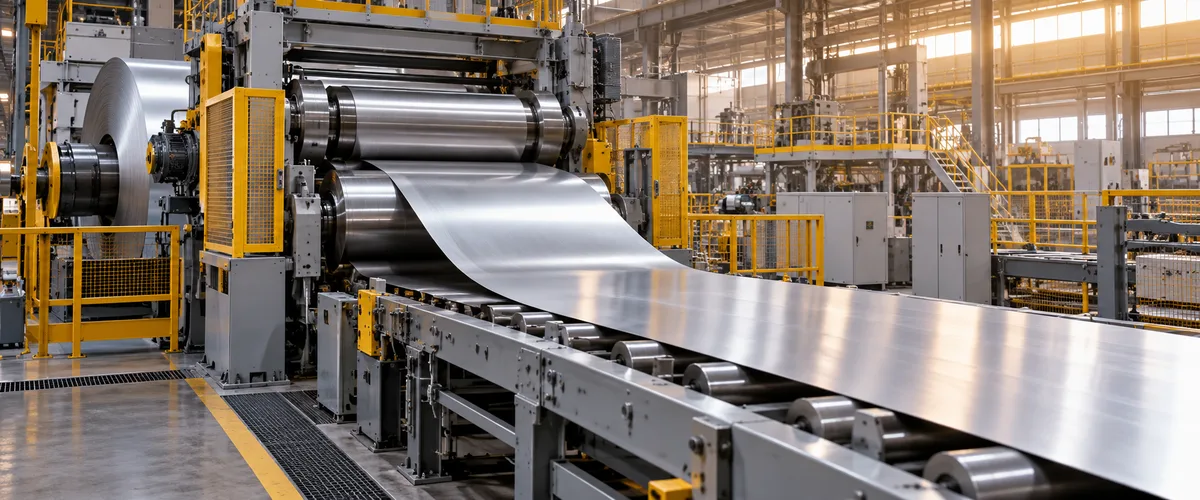
Rolling reduces an aluminium ingot or slab through successive passes. The Aluminum Association describes hot reduction followed, where appropriate, by cold rolling and treatment. The final purchase should name the delivered product rather than merely saying rolled aluminium: sheet, plate and foil can have very different downstream uses and acceptance requirements.
Build a drawing-led enquiry
State thickness, width, length or coil requirements, alloy, temper and the applicable product specification. Identify functional surfaces, intended forming and how the material will be cut or machined. Request confirmation of the measurement and tolerance basis for the actual product. A stock-list description is useful for availability but is not a substitute for a complete manufacturing requirement.
Consider the later operations
Describe whether the buyer will stamp, bend, machine, weld or finish the material. Ask the producer to confirm the supplied condition appropriate to the proposed route. Specify whether protective film, coil handling or surface restrictions are needed for the end use. Evaluate alternatives against the whole sequence, including the inspection condition after fabrication.
Compare evidence consistently
When comparing offers, retain the original property basis, specimen orientation and thickness coverage supplied by each producer. Request certification against the agreed specification and establish identification after coils or plates are subdivided. Avoid transferring a value from an unrelated thickness or temper. This introductory route does not set rolling schedules, numerical flatness limits or design allowables.
Continue exploring
Alloy database · Product guides · Engineering calculators
Sources and verification
Selected facts checked 14 October 2026. Source data is reference information, not certification of supplied material.
- Aluminum Association • Processing 101 — Live public page; no publication revision stated · checked 2026-10-14
Carry the control plan through the rolling sequence
Speira links casting, hot rolling, cold rolling and annealing; Hindalco distinguishes final product families such as fin and foil stock. Elval adds sampling and process checks at casting, rolling and surface finishing. Define final gauge, condition and surface acceptance around the actual downstream operation, preserving lot identity after slitting and converting.
Source: www.speira.com, www.hindalco.com, www.elval.com





