


Electrical Conductors & Power Systems: Aluminium Material Requirements
For an aluminium conductor, conductivity and mechanical properties must always be specified together, because every step that raises strength (alloying, cold work, ageing) lowers conductivity. This guide explains the electrical aluminium alloys and tempers, the standards that govern each product, and how to write a specification that covers the conductor, its connections and its operating temperature.
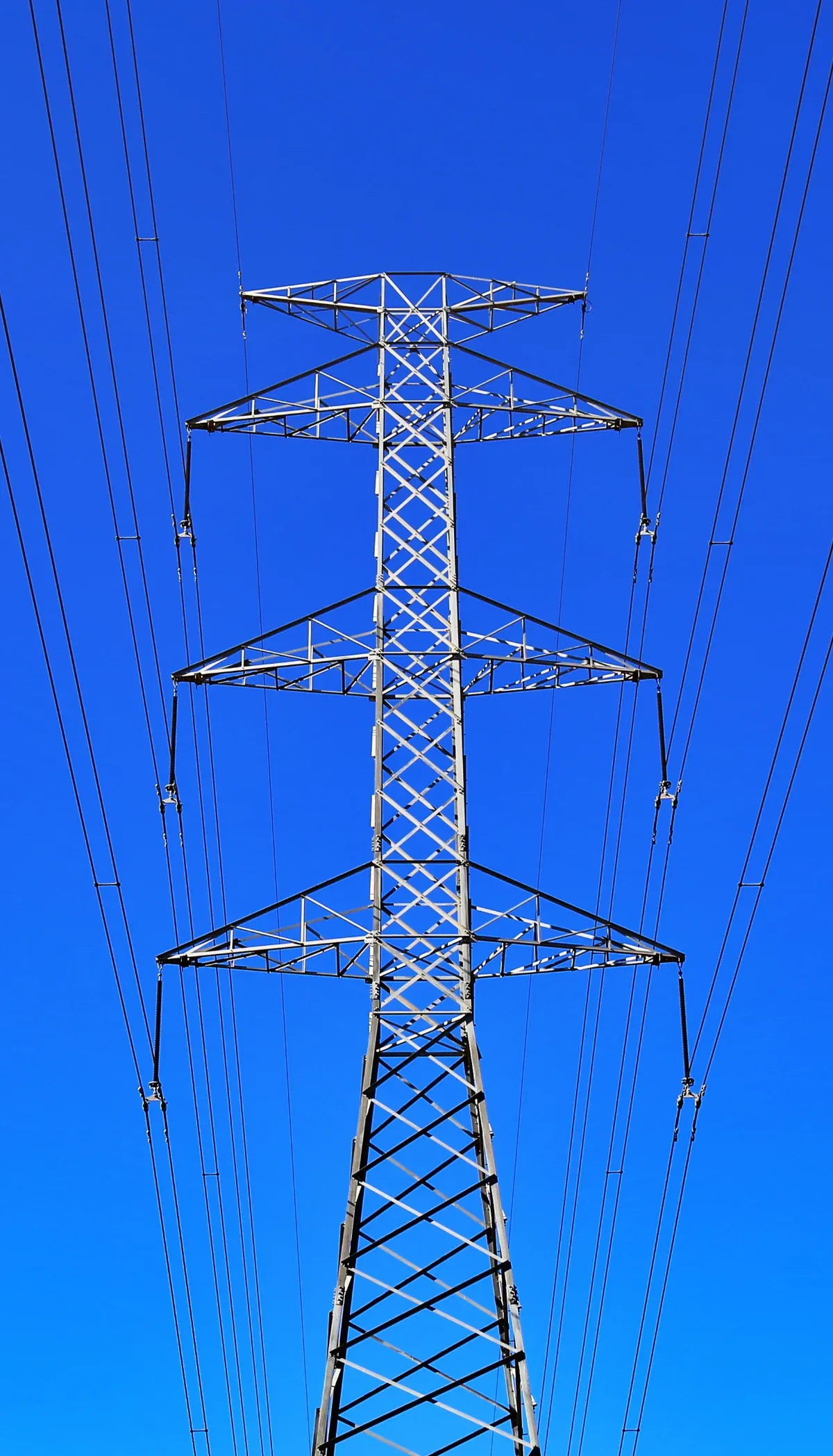
Conductivity versus strength
Pure annealed aluminium conducts about 62 – 64 % as well as the International Annealed Copper Standard (IACS). Dissolved elements scatter electrons, so even small amounts of titanium, vanadium, chromium or manganese reduce conductivity sharply; that is why electrical grades limit them tightly and sometimes add boron to precipitate them out. Strengthening by cold work, or by Mg2Si precipitation in 6xxx alloys, raises tensile strength but costs conductivity.
| Material | Typical conductivity | Typical tensile strength | Main products |
|---|---|---|---|
| 1350-O / 1370 (annealed EC) | 61.8 – 62.5 % IACS | 60 – 95 MPa | Insulated cable conductor, winding wire, ACSS |
| 1350-H19 (hard drawn) | 61.0 – 61.8 % IACS | 160 – 200 MPa | AAC and ACSR wires |
| 1350 / 1060 bus bar (H1x) | about 61 – 62 % IACS | 75 – 130 MPa | Rolled and extruded busbar |
| 6101-T6 / T61 / T64 | about 55 / 57 / 59.5 % IACS | Highest in T6, lowest in T64 | Extruded bus conductor, tubular bus |
| 6201-T81 | 52.5 % IACS min. | about 305 – 330 MPa | AAAC and ACAR wires |
| 8xxx (8030, 8176) | about 61 % IACS | Similar to 1350-O with better creep resistance | Building wire and LV cable conductors |
| Thermal-resistant Al-Zr (AT1 – AT4) | 55 – 60 % IACS | 160 – 250 MPa | High-temperature overhead conductors |
Electrical aluminium products and their standards
| Product | Common standards | Specify |
|---|---|---|
| EC wire rod | ASTM B233; EN 1715-2 | Alloy (1350, 1370, 6101, 8xxx), temper, diameter (usually 9.5 mm), conductivity, coil weight |
| Overhead conductor wire | ASTM B230, B398; IEC 62641 | Alloy and temper, diameter, tensile, elongation, resistivity |
| Stranded overhead conductors | ASTM B231/B232/B399/B524; IEC 61089; EN 50182 | Code or area, stranding, drum lengths |
| Building and cable conductors | ASTM B800, B801; IEC 60228 | Conductor class and size, alloy series |
| Rolled bus bar | ASTM B236; EN 14121 | Alloy, temper, section, edge condition, conductivity |
| Extruded bus conductor | ASTM B317; EN 755 | Alloy 6101 temper, section, conductivity and strength |
| Transformer strip and foil | EN 14121; customer specifications | Alloy (1050/1060/1350-O), thickness, edge quality (deburred, rounded) |
| Enamelled winding wire | IEC 60317 aluminium parts | Thermal class, diameter, film grade |
Specify the contact system, not just the conductor
Bulk resistance is only part of the story. Most problems with aluminium conductors occur at terminations, where the tough oxide film, creep under bolt pressure and galvanic contact with copper can raise contact resistance over time.
- Use connectors and lugs rated for aluminium (for example to UL 486 or IEC 61238-1), with the correct crimp dies
- Clean contact surfaces and apply oxide-inhibiting compound at assembly
- Maintain bolt pressure with spring washers; aluminium relaxes under sustained load
- Use tin plating or bimetallic transitions where aluminium meets copper
- Verify joints by contact-resistance measurement or thermography during commissioning
How to write an electrical aluminium specification
- Name the product standardQuote the standard and revision that matches the product form, e.g. ASTM B317 for 6101 extruded bus.
- Fix alloy and temperState both, since 6101-T6 and 6101-T64 differ substantially in conductivity and strength.
- State conductivity and strength togetherGive minimum conductivity (% IACS or resistivity) and the mechanical requirement the product must meet.
- Define dimensions and surfacesSection or diameter, tolerances, edge condition, surface cleanliness and any plating.
- Require test evidenceCertificates reporting measured conductivity or resistivity and tensile results for each lot.
- Check the assemblyTemperature rise, support spacing, short-circuit forces and thermal expansion are verified at assembly level, not from the material certificate.
A DC resistance estimate from area and resistivity is useful for sizing but does not establish permissible current, which depends on cooling, enclosure, AC effects and joint design.
Common mistakes with aluminium conductors
- Ordering "6101 busbar" without a temper and receiving a grade with the wrong conductivity
- Using general-purpose 6061 or 6082 as a conductor; their conductivity (about 40 – 45 % IACS) is far lower than electrical grades
- Converting a copper design to aluminium by area ratio only, without checking temperature rise and terminations
- Using copper-rated lugs on aluminium cable
- Ignoring thermal expansion in long bus runs, which loosens joints over many cycles
References and standards
- ASTM B317/B317M – Aluminum-Alloy Extruded Bar, Rod, Tube, Pipe and Profiles for Electrical Purposes (Bus Conductor)
- ASTM B233 – Aluminum 1350 Drawing Stock for Electrical Purposes
- IEC 62641:2022 – Aluminium and aluminium alloy wires for concentric lay stranded conductors
- IEC 60228 – Conductors of insulated cables
- The Aluminum Association – Aluminum Electrical Conductor Handbook
Electrical aluminium (aluminum) conductor requirements: FAQs
What is % IACS?
Conductivity expressed as a percentage of the International Annealed Copper Standard, which is defined as 100 %. Electrical-grade aluminium is about 61 – 62 % IACS; 6201-T81 alloy wire is 52.5 % minimum.
Why not use 6061 for busbars?
6061 contains copper and chromium, which lower its conductivity to roughly 40 – 45 % IACS. 6101 and 1350 are designed for electrical use and conduct much better.
Which 6101 temper should I choose?
T6 for the highest strength, T61 or T63 for a balance of strength, bendability and conductivity, and T64 or T65 where conductivity and bending matter most. Confirm the exact limits in ASTM B317 or your specification.
Is aluminium cable safe for building wiring?
Modern 8xxx-series conductors (ASTM B800/B801) used with connectors rated for aluminium and installed to the correct torque have a good service record. Older problems were largely linked to unsuitable alloys and connectors.
Does a mill certificate prove a busbar's current rating?
No. It proves material conductivity and strength. Current rating depends on the assembly and must be verified by calculation or test, for example under IEC 61439.
Specifying aluminium conductors?
Send the product, alloy, temper, standard and quantity. We will confirm conductivity and documentation and quote delivered worldwide.





