Torch-on and mop-applied membranes
Coated foil laminated as the cap-sheet surface of SBS or APP modified bitumen membranes on flat and low-slope roofs.



8079 roofing foil is a soft, ductile aluminium-iron alloy foil, typically 0.04 – 0.15 mm thick, coated with polyester (PE) or PVDF paint and laminated as the exposed top surface of bituminous waterproofing membranes, self-adhesive flashing tapes and insulation facings. The foil protects the bitumen from UV, reflects solar heat and gives the roof its colour, while 8079's high elongation lets the membrane flex with the building. This guide covers coatings, specifications, applications, quality checks and how to buy.
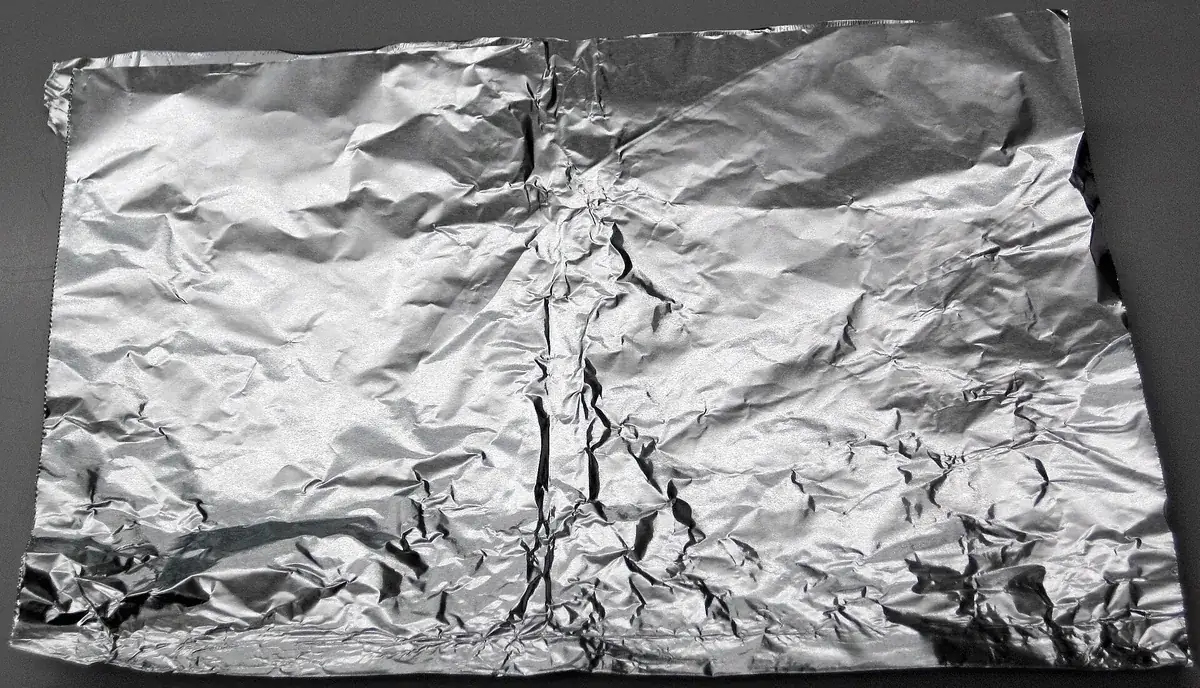
Bitumen is an excellent waterproofing material but it ages quickly in sunlight. Ultraviolet radiation oxidises the surface, which hardens and cracks, and a dark membrane can exceed 70 °C on a summer roof. A thin, factory-bonded aluminium foil on top solves both problems: it blocks UV completely and, when bright or light-coloured, reflects much of the solar heat.
8079 is the alloy most often chosen for that foil. It contains about 0.7 – 1.3 % iron and a little silicon, which give a fine grain and high elongation in soft tempers. A membrane is rolled, unrolled, folded at upstands and moved by thermal cycling and building movement for decades; a foil that cracks on folding would let water and UV reach the bitumen. 8079 stretches and creases without cracking better than most packaging foils at the same thickness, which is why membrane makers specify it.
The foil is almost always coated. The coating protects the aluminium from alkaline run-off, acid rain and salt, gives a durable colour, and on the underside provides a primer that bonds to the bitumen compound. On self-adhesive flashing tapes and vapour control layers the same foil is used, sometimes uncoated on the inside face.
| Element | Si | Fe | Cu | Zn | Others each / total | Al |
|---|---|---|---|---|---|---|
| wt % | 0.05 – 0.30 | 0.70 – 1.30 | ≤ 0.05 | ≤ 0.10 | ≤ 0.05 / 0.15 | Remainder |
Composition per the registered 8079 limits. Mechanical properties of the bare foil depend on gauge and temper and are specified in EN 546-2; actual values are reported on the mill certificate.
The coating decides how the foil weathers, so it should be chosen for the climate and the design life of the roof rather than on price alone.
| Coating | Typical dry film | Strengths | Limitations | Best for |
|---|---|---|---|---|
| Clear or tinted lacquer | A few µm | Keeps the bright metallic look and low emittance; protects against handling marks | Least weather resistance of the three | Reflective membranes, flashing tapes, vapour control layers |
| Polyester (PE) | About 15 – 25 µm | Good colour range, flexible, economical | Chalks and fades faster than PVDF under strong UV | General roofing in moderate climates |
| PVDF (2-coat) | About 25 – 28 µm | Excellent UV, chemical and colour stability; dirt-shedding | Higher cost; needs higher cure temperature | Long-life exposed roofs, hot or coastal climates |
| PVDF (3-coat) | About 35 – 45 µm | Extra film build for metallic or very durable finishes | Highest cost | Premium architectural and coastal projects |
Coating suppliers also offer modified formulations, such as high-durability polyesters and nano-modified PVDF finishes with improved dirt resistance. Their performance claims should be backed by test data on the actual foil system, not on thicker coil.
| Test | What it shows | Typical method |
|---|---|---|
| Dry film thickness | Enough coating for the design life | EN 13523-1 or eddy-current gauge |
| Flexibility (T-bend) | Coating survives folding without cracking; ≤ 2T is typical for PVDF | EN 13523-7 |
| Adhesion | No loss after cross-hatch or bend | EN 13523-6 / cross-cut tape test |
| Colour difference | Batch matches the standard, typically ΔE ≤ 1 – 2 | EN 13523-3 spectrophotometer |
| Gloss | Consistent sheen between batches | EN 13523-2 |
| Solvent resistance | Coating is fully cured | MEK double-rub test |
| Weathering | Colour and gloss retention over time | Accelerated UV or salt-spray testing, natural exposure |
For the bonding face, membrane makers also check peel strength between the foil and their bitumen compound, because a primer that suits one compound may not suit another.
Metline supplies 8079 foil bare, lacquered and colour-coated, slit to width and wound on the cores your laminating line uses, to membrane and tape makers worldwide. Each shipment carries a mill test certificate (EN 10204 3.1), and coating test reports can be supplied with the order.
Coated foil laminated as the cap-sheet surface of SBS or APP modified bitumen membranes on flat and low-slope roofs.
Foil-faced self-adhesive bitumen or butyl tapes for flashing, gutters, skylights, upstands and roof repairs.
Foil-faced membranes used where a robust moisture and vapour barrier is needed, often protected by backfill or screed.
Coated foil on PIR, phenolic or mineral wool boards and blankets as a weathering and vapour control face.
Weather-resistant facings and flashing details around openings and parapets.
Coated foil on duct insulation and heat shields in plant rooms and kitchens, where the foil reflects radiant heat and protects the insulation.
In membrane systems, typical laying practice is to overlap sheets by about 75 – 100 mm on side laps and more on end laps, staggered between layers, following the membrane maker's instructions. The foil surface should not be walked on heavily or punctured during installation.
| Choice | Recommendation | Common mistake |
|---|---|---|
| Alloy | 8079 for maximum fold resistance; 8011 or 1xxx foils for less demanding uses | Using a hard-temper foil that cracks at upstands |
| Gauge | 0.06 – 0.08 mm suits most cap sheets; thicker for exposed tapes and heavy traffic areas | Choosing very thin foil to save cost, then seeing punctures on site |
| Coating | PVDF for long exposed life or harsh climates; PE for moderate exposure | Specifying PE for a hot coastal roof expected to last decades |
| Bond side | Primer matched to your bitumen compound, confirmed by peel tests | Assuming any primer suits any compound |
| Colour | Light colours for cooler roofs; agree a ΔE tolerance and a master sample | No agreed colour standard between batches |
| Packing | Moisture-proof wrap and edge protection for sea freight | Rolls arriving with crushed edges that tear on the line |
Delivery terms are quoted EXW, FOB, CIF or DAP. Send a sample of your current foil or membrane if you want a direct replacement; we can match gauge, temper, coating and colour.
| Alloy | Main alloying | Character in roofing foil | Typical roofing use |
|---|---|---|---|
| 8079 | Fe 0.7 – 1.3 %, Si 0.05 – 0.30 % | Very good fold and stretch resistance in O temper; fine grain | Coated cap-sheet surfaces, flashing tapes |
| 8011 | Fe 0.6 – 1.0 %, Si 0.5 – 0.9 % | Stronger and stiffer at the same gauge; less fold tolerance | Insulation facings, radiant barrier laminates |
| 1050 / 1100 / 1200 | ≥ 99.0 – 99.5 % Al | Very ductile and bright, but softer and weaker | Reflective laminates, embossed foils |
| 3003 / 3105 | Mn 1.0 – 1.5 % (3003) | Stronger strip, usually thicker than foil | Roofing sheet, flashing strip, rainwater goods |
The choice is about how the foil will be stressed. A cap sheet is unrolled, cut, folded into corners and upstands, and then moved by daily temperature swings for decades, so elongation and fold resistance matter more than tensile strength. An insulation facing lies flat inside a roof, where tear resistance during laminating is more important. That is why membrane makers lean towards 8079 and insulation laminators often use 8011 or 1xxx foil.
On the laminating line, keep unwind tension low and even. Thin soft foil necks or wrinkles under high tension, which spoils the appearance of the finished membrane and can create stress points where cracks begin later.
8079 has a finer grain and higher elongation in soft tempers, so it folds and stretches with the membrane without cracking. 8011 is stronger but less tolerant of repeated folding at thin gauges.
Choose PVDF where the roof is exposed for many years to strong sun, salt or pollution, because it keeps its colour and gloss far longer. PE is a cost-effective choice for moderate climates and shorter design lives.
Most foil-faced cap sheets use roughly 0.06 – 0.08 mm foil. Self-adhesive flashing tapes and heavier-duty products use up to about 0.15 mm.
A bright or light-coloured foil reflects much more solar radiation than black bitumen, lowering the surface temperature and the heat entering the building. Dark coated colours give less benefit.
Yes. Colours can be matched to RAL or Pantone references or to a physical sample, with an agreed colour-difference tolerance.
Each lot ships with an EN 10204 3.1 mill certificate for chemistry and properties, and coating test results such as film thickness, T-bend and colour can be included.
It is not recommended. Bare foil exposed to rain, alkaline run-off from concrete or masonry, and pollution will corrode and lose its brightness. Use at least a clear lacquer, or PE or PVDF where the surface stays exposed for many years.
Send gauge, width, coating and colour. Our team will reply with a specification and delivered price.






