


Aluminium Foil for Cigarette Packaging
Cigarette packaging foil is very thin, fully annealed aluminium foil, typically 6 – 9 µm in 1145, 1235, 8011 or 8079 alloy, that converters laminate to paper to make the inner liner of cigarette packs. It keeps tobacco moisture and aroma in and outside odours out. This guide covers alloys, gauges, properties, pinhole and tolerance limits, and what to specify when buying foil for liner production.
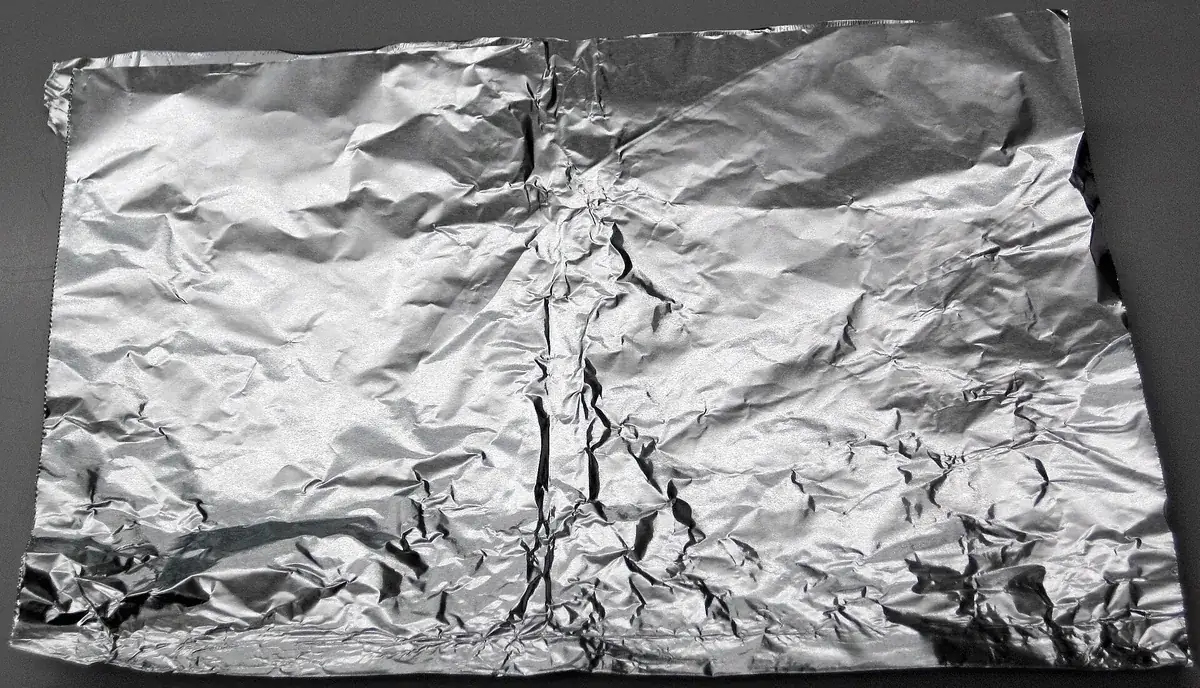
- Alloys
- 1145, 1235, 8011, 8079
- Temper
- O (annealed)
- Thickness
- 0.006 – 0.009 mm
- Use
- Foil-paper inner liner
How foil is used in a cigarette pack
The inner liner wrapped around the cigarette bundle is usually a laminate of aluminium foil and thin paper. The foil provides the barrier; the paper gives stiffness, printability and a surface for the packing machine to grip.
Because the foil is laminated, it can be extremely thin, often 6.35 µm or 7 µm. At that gauge it adds very little weight or cost but still slows water-vapour and aroma transfer far more effectively than paper alone. The finished foil-paper laminate typically weighs around 45 – 80 g/m² depending on the paper used.
Alternatives exist, notably vacuum-metallised paper and metallised film, which use far less aluminium. Laminated foil is still chosen where barrier performance and the crisp fold of real foil are priorities.
Foil supply range for cigarette liners
Typical foil specification
- Alloy
- 1235, 1145, 8011, 8079 (also 8021, 8111 on request)
- Temper
- O, fully annealed, clean and dry surface
- Thickness
- 0.006 – 0.009 mm (6.35 µm and 7 µm are the most common)
- Width
- Mother coils for lamination, slit as agreed
- Core
- Aluminium or steel cores, usually 76 mm or 152 mm inside diameter
- Surface
- One side bright, one side matt; wettability suitable for adhesive lamination
Laminators normally buy wide coils of bare foil and slit after lamination to the liner width used by the cigarette packer, for example 80 – 115 mm.
Chemical composition of cigarette foil alloys (wt %, max unless range)
| Element | 1235 | 1145 | 8011 | 8079 | 8021 |
|---|---|---|---|---|---|
| Si | Si + Fe 0.65 | Si + Fe 0.55 | 0.50 – 0.90 | 0.05 – 0.30 | 0.15 |
| Fe | — | — | 0.60 – 1.0 | 0.7 – 1.3 | 1.2 – 1.7 |
| Cu | 0.05 | 0.05 | 0.10 | 0.05 | 0.05 |
| Mn | 0.05 | 0.05 | 0.20 | — | — |
| Mg | 0.05 | 0.05 | 0.05 | — | — |
| Cr | — | — | 0.05 | — | — |
| Zn | 0.10 | 0.05 | 0.10 | 0.10 | — |
| Ti | 0.06 | 0.03 | 0.08 | — | — |
| V | 0.05 | 0.05 | — | — | — |
| Al | 99.35 min | 99.45 min | Remainder | Remainder | Remainder |
Limits follow the Aluminum Association registrations; the mill certificate reports the actual analysis.
1235 and 1145 are commercially pure grades with excellent softness. 8011, 8079 and 8021 are Al-Fe(-Si) alloys whose iron-rich particles refine grain and add strength, which lowers pinhole counts and breakages at the thinnest gauges. That makes 8079 and 8021 popular for 6 µm foil.
Mechanical properties, pinholes and tolerances
At 6 – 9 µm, O-temper foil has a tensile strength commonly specified around 45 – 95 MPa for 1xxx alloys and 50 – 105 MPa for 8xxx alloys, with low elongation, typically 0.5 – 1 % minimum, because the foil is so thin. Pinholes are unavoidable at these gauges; lamination to paper closes most of them functionally, but counts must still be controlled.
| Thickness (mm) | Total pinholes per m², max (example limit) | Pinholes > 0.2 mm per m², max |
|---|---|---|
| 0.0060 | 1,500 | 150 |
| > 0.0060 – 0.0065 | 1,000 | 100 |
| > 0.0065 – 0.0070 | 500 | 50 |
| > 0.0070 – 0.0090 | 200 | 20 |
Example limits as commonly applied in national foil standards; agree the exact limits for your order. No pinholes larger than 0.3 mm are normally accepted.
Typical dimensional tolerances
- Local thickness
- ±5 % of nominal
- Average thickness
- About ±3 – 5 % of nominal, tighter for larger lots
- Width
- ±1 mm up to 1200 mm wide; ±2 mm above
- End face
- Layer offset not more than about 1 mm; telescoping not more than about 2 mm
What laminators should check
- Surface cleanliness: residual rolling oil must be low enough for adhesives to wet the foil; ask for a brush or water wettability test result
- Flatness and coil shape: slack edges or tight centres cause wrinkles at the laminator nip
- Joints: fewer splices per coil means fewer stops; agree the maximum
- Odour: the foil must not transfer odour to tobacco; annealing must remove rolling oils completely
- Pinholes and breaks: check counts on the first coils of each lot
References and standards
- The Aluminum Association – International Alloy Designations and Chemical Composition Limits
- EN 546 (parts 1–4) – Aluminium and aluminium alloys: foil
- ASTM B479 – Annealed Aluminum and Aluminum-Alloy Foil for Flexible Barrier, Food Contact and Other Applications
- GB/T 3198 – Aluminium and aluminium alloy foil
Cigarette packaging foil: frequently asked questions
What thickness of aluminium foil is used in cigarette packs?
Usually 6 – 9 µm, with 6.35 µm and 7 µm the most common. The foil is laminated to paper, so it does not need to be self-supporting.
Which alloy is best for cigarette liner foil?
8079 and 8021 give the fewest breaks and pinholes at 6 µm; 1235 and 1145 are softer and very common at 7 µm and above; 8011 is a versatile middle choice.
Why is the foil annealed to O temper?
Annealing makes the foil soft so it folds cleanly around the bundle, and burns off residual rolling oil so the surface laminates well and carries no odour.
Can aluminum foil liners be replaced by metallised paper?
Yes, many brands use vacuum-metallised paper, which uses far less metal. Laminated foil gives a stronger barrier and the true dead fold of aluminium.
Do you supply tipping paper or tear tape?
No. Metline supplies the aluminium foil for liner laminators; paper, tipping and tear tape come from specialist converters.
Buying foil for inner liners?
Tell us the alloy, gauge, width and annual volume, and our team will reply with options and certificates.






