Clear (natural)
Undyed film that keeps the metallic look of the base sheet. The most durable choice outdoors.



Anodised aluminium sheet carries a hard, transparent layer of aluminium oxide grown electrochemically from the metal itself, which protects it against corrosion and wear and can be coloured. It is not a paint: the film is part of the surface and will not peel. Metline supplies pre-anodised sheet and coil and anodising-quality sheet in 1050, 1100, 5005, 5052 and 6061, with coating thickness and colour to order, to customers worldwide.
In anodising, the sheet is made the anode in an acid electrolyte, usually sulphuric acid. Current converts the surface aluminium into a layer of aluminium oxide that grows partly into and partly out from the original surface. The film is made of millions of fine hexagonal pores, which can be filled with dye or metal salts for colour and are then closed by sealing.
The result is a surface far harder than the base metal, with excellent resistance to weathering and handling marks, a metallic look that paint cannot match, and no flaking because the coating is not a separate layer. Anodised sheet is used for building facades, signage, lighting reflectors, appliance and electronics panels, nameplates, interior trim and anywhere a durable metallic finish is wanted.
Sheet can be anodised in two ways. Coil (continuous) anodising runs the coil through the anodising line at speed, which gives very consistent colour from sheet to sheet and is economical for large areas; the sheet is then cut and formed after anodising. Batch anodising treats cut sheets or finished parts on racks, so it is used when parts are fabricated first or when thicker or hard coatings are needed.
The alloy controls how clear, uniform and bright the anodic film looks. Elements such as silicon, copper and iron form particles that do not anodise, so they cloud or darken the film. For decorative work, order "anodising quality" (AQ) sheet, which is produced with tighter control of chemistry and grain size.
| Alloy | Anodised appearance | Strength | Typical use |
|---|---|---|---|
| 1050 / 1070 / 1085 | Very clear and bright; best for reflectors and bright finishes | Low | Lighting reflectors, nameplates, decorative trim |
| 1100 | Clear, uniform | Low | Signage, panels, general decorative sheet |
| 5005 | Excellent match to 6063 extrusions; the architectural standard | Medium | Facades, cladding, curtain-wall panels |
| 5052 | Good, slightly yellower than 5005 | Medium–high | Electronics enclosures, marine and transport panels |
| 6061 | Good; can look slightly grey | High | Machined parts, structural panels, hard anodising |
| 2024 / 7075 | Darker, less uniform; poor for decoration | Very high | Functional and hard anodising only |
Coating thickness is the main driver of durability. EN ISO 7599 designates classes by minimum average thickness in micrometres (AA 5, AA 10, AA 15, AA 20, AA 25). In North America, Aluminum Association architectural Class II is 10 – 18 µm (0.4 – 0.7 mil) and Class I is 18 µm (0.7 mil) and above. The table gives common guidance.
| Class (ISO 7599) | Minimum average thickness | Typical exposure |
|---|---|---|
| AA 5 | 5 µm | Indoor decorative parts in dry conditions; often on coil-anodised sheet |
| AA 10 | 10 µm | Indoor use and parts that will be handled |
| AA 15 | 15 µm | Outdoor use in mild, rural environments |
| AA 20 | 20 µm | Outdoor use in urban and industrial environments |
| AA 25 | 25 µm | Severe outdoor, coastal and marine environments |
| Hard anodic (Type III) | Typically 25 – 75 µm | Wear surfaces, sliding parts, abrasion resistance |
Military and aerospace orders often specify MIL-A-8625: Type II (sulphuric acid) and Type III (hard coat), with Class 1 undyed and Class 2 dyed. Thicker films are harder wearing but crack more easily when the sheet is bent.
Undyed film that keeps the metallic look of the base sheet. The most durable choice outdoors.
Tin or other metal salts deposited at the bottom of the pores give light-fast bronze, champagne and black shades suitable for facades.
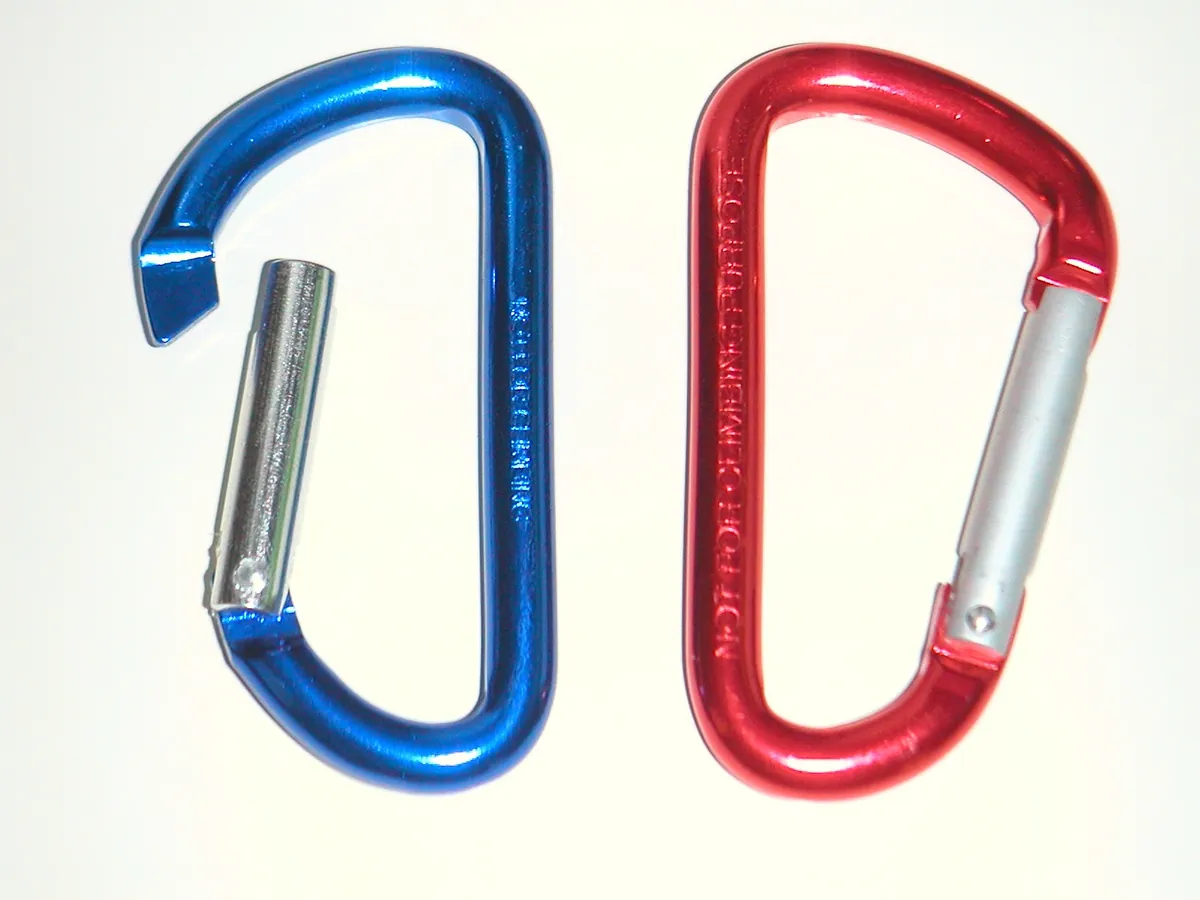
Bright colours such as red, blue and gold. Many dyes fade in sunlight, so they are mainly for interior use.
Mechanical brushing or chemical brightening before anodising gives a satin or mirror finish under the film.
Sealing closes the pores, locking in colour and maximising corrosion resistance. Seal quality is tested by acid dissolution (ISO 3210) or admittance (ISO 2931).
Colour varies slightly between batches and alloys. For large facades, order from one production run and approve limit samples.
The anodic film is a ceramic: it is hard but cannot stretch. When pre-anodised sheet is bent, the film on the outside of the bend develops fine cracks ("crazing"). Thin films (5 – 10 µm) on soft tempers tolerate tight bends with little visible effect; thick architectural films need larger radii, and bends should run across the rolling direction where possible. Always trial-bend a sample in the actual coating before production.
Specification for architectural work commonly references EN 12373-1 or Qualanod requirements; confirm the standard with your order.
Yes, but the oxide film cracks on the outside of the bend. Thin coatings on soft tempers bend well with little visible crazing; thick coatings need generous radii. Trial a sample, or fabricate first and anodise afterwards.
At least 15 µm for mild exposure, 20 µm for urban and industrial sites, and 25 µm for coastal or marine locations, following EN ISO 7599 classes.
1050 and 1100 give the brightest, clearest finish; 5005 is the architectural standard and matches 6063 extrusions; 5052 and 6061 are used where more strength is needed.
Clear and electrolytically coloured finishes are very light-fast. Many organic dyes fade in sunlight, so dyed colours are best for interior use unless a light-fast dye is specified.
No. The anodic film is an electrical insulator. Remove the coating locally or use a penetrating fastener where an electrical or earth connection is needed.
Anodising converts the surface into oxide and keeps a metallic look; it cannot peel. Powder coating is a paint layer on top, available in any colour and gloss, but it can chip.
Send alloy, thickness, size, coating class and colour. Our team will confirm the finish and quote a delivered price.





